
Search Virginia Bench Warrants
Virginia bench warrants are court orders that judges sign when a person fails to appear or breaks a court rule. This page helps you look up active warrants and capias orders across the state. You can search through state court portals, local sheriff offices, and police agency lists. Each city and county in Virginia keeps its own warrant records. Many post outstanding warrants online. Use the tools below to find case details, warrant status, and the office that holds the record.
Virginia Bench Warrants Overview
What Are Virginia Bench Warrants
A bench warrant in Virginia is a court order that a judge signs from the bench. It tells police to bring a named person into court. Most bench warrants come from a failure to appear at a hearing. Some come from a failure to pay court costs. Others come from a breach of probation or a court rule. The term capias is the Latin word the courts still use. A capias and a bench warrant mean the same thing in most cases.
Warrants in Virginia fall into three main groups. Arrest warrants come first, and police ask a magistrate for these based on probable cause. Search warrants come next, and they let officers look through a place or thing. Bench warrants round out the list, and judges issue these straight from the courtroom. The Virginia Court Records guide explains the full warrant process in plain terms. Most warrant records are open to the public under state law.
Note: A bench warrant stays active in Virginia until a judge recalls it or the person is brought in, so old warrants can still be served years after they were signed.
How to Look Up Virginia Bench Warrants
The fastest way to check for a bench warrant is through the state court case search. The Virginia Judicial System runs a free online tool that covers General District Courts and most Circuit Courts. You can search by name, case number, or hearing date. The Virginia Courts case information site lets you pick a court and run a name search. Case records will show the charge, the hearing, and the warrant status.
The state Self-Help portal gives more context for people who do not know where to start. It covers all 32 judicial districts and points to the right court for each city or county. Visit selfhelp.vacourts.gov to pick a court by map. The site notes that Circuit Court search is not fully statewide, so some counties use their own systems. If the court you need is not in the main list, check the local clerk site.
Sheriff offices and police departments also post warrant lists. The Virginia Warrant Search guide walks through how to find them. Some post PDFs of outstanding warrants sorted by last name. Others run a Most Wanted page with photos and charges. A few large agencies, like Newport News Police, let you view active warrants on their site at no cost.
Here are the main places to look for Virginia bench warrants:
- Virginia Courts online case search at vacourts.gov
- Local sheriff office warrant lists
- City police department most wanted pages
- Virginia State Police criminal history checks
- Virginia Department of Corrections Most Wanted list
The Virginia Courts online system is the first stop for most searches. It covers almost every General District Court in the state. A quick lead-in to the source page helps put the screenshot in context, so here is the link to the Virginia Judicial System Case Status page.
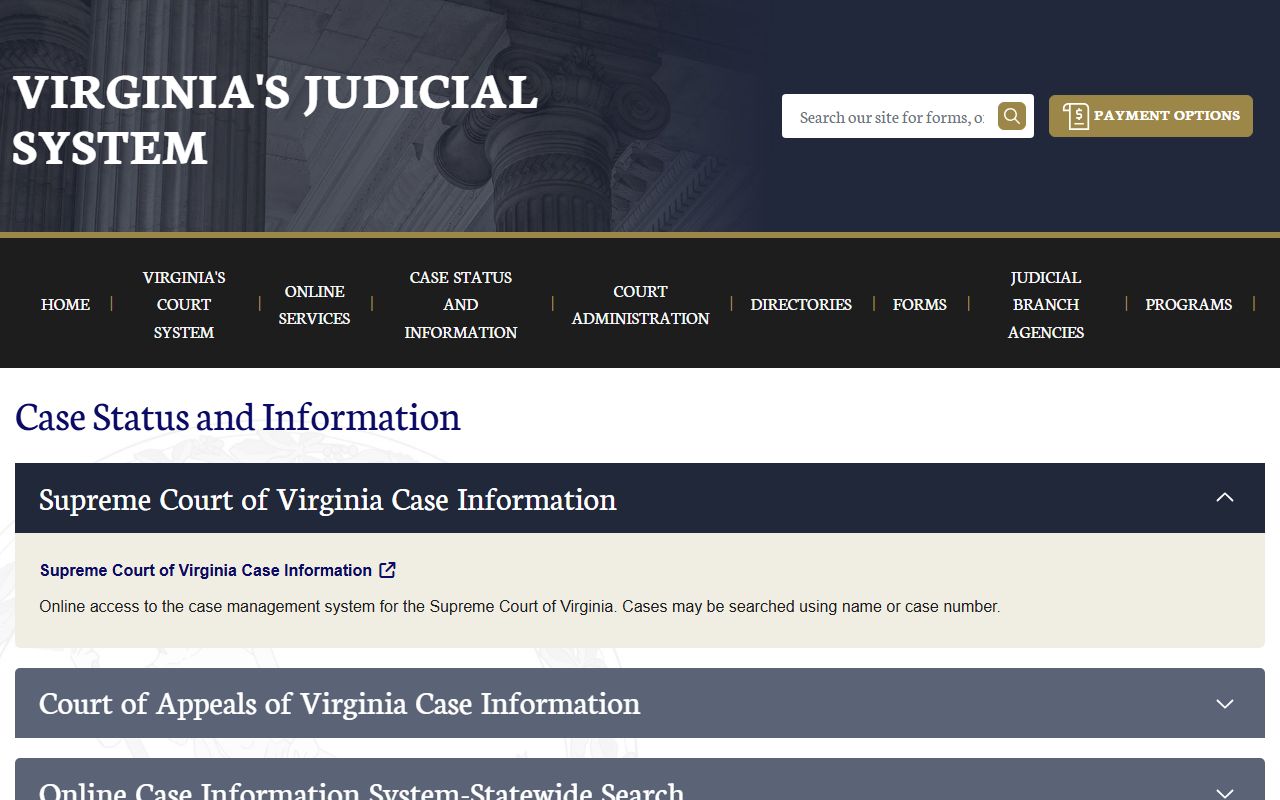
The case status page lets you pick a court type, then choose the city or county, then enter a name. Results show the charge, next hearing, and whether a warrant is active on the case.
Why Judges Issue Bench Warrants
Judges sign bench warrants in Virginia for a few common reasons. The biggest one is a failure to appear. Under VA Code § 19.2-128, a person who was released on bond or summons and then skips court can face a new charge on top of the first one. If the missed hearing was for a misdemeanor, the new failure to appear charge is a Class 1 misdemeanor. It carries up to 12 months in jail and a fine up to $2,500. If the missed hearing was for a felony, the new charge is a Class 6 felony. That means one to five years in jail.
Other reasons for a bench warrant include a probation violation, a failure to pay court costs, or contempt of court. Judges can also issue a bench warrant for a witness who ignores a subpoena. The goal is the same in each case. The court wants the person in front of the judge. Once police serve the warrant, the person is held until a bail hearing.
Here is the link to the Justia page for VA Code Title 19.2, which holds the main criminal procedure rules.
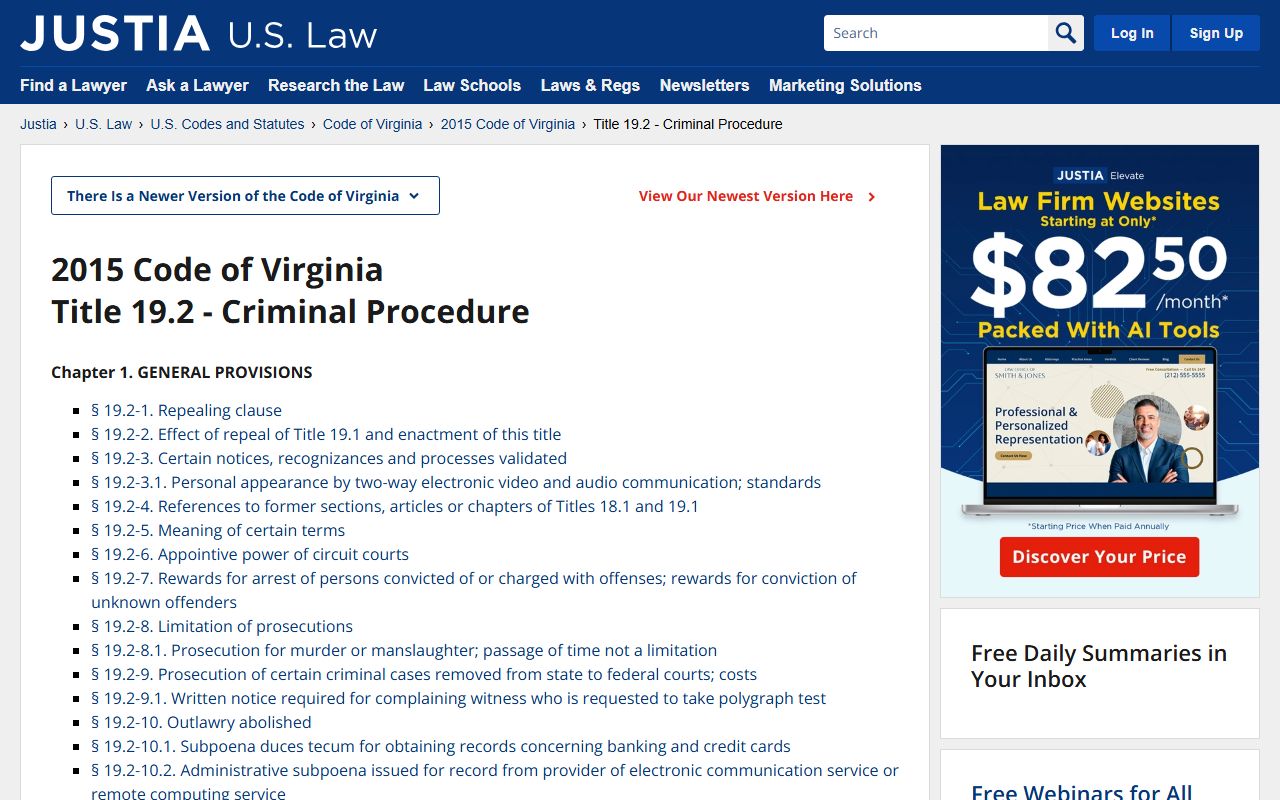
This code section is the legal base for most capias warrants in the state. It covers both felony and misdemeanor cases.
Note: Missing a court date is the fastest way to turn a minor case into a much bigger one, since the new charge stacks on the old one.
Serving and Returning Virginia Warrants
Virginia police can serve a warrant across county lines. VA Code § 19.2-76 sets the rule. An officer may execute a warrant, capias, or summons that was issued anywhere in the Commonwealth. The officer arrests the person, writes the date of service on the warrant, and returns it to a judge or magistrate. The next step is a bail hearing. The judge either sets bail or holds the person for transfer.
If the arrest happens in a county that is not the one that issued the warrant, the officer has two options. The first is to bring the person to a local magistrate. The second is to hand the person over to an officer from the county where the case sits. Either way, the person gets a prompt bail review.
The full text of VA Code § 19.2-76 is online at FindLaw.
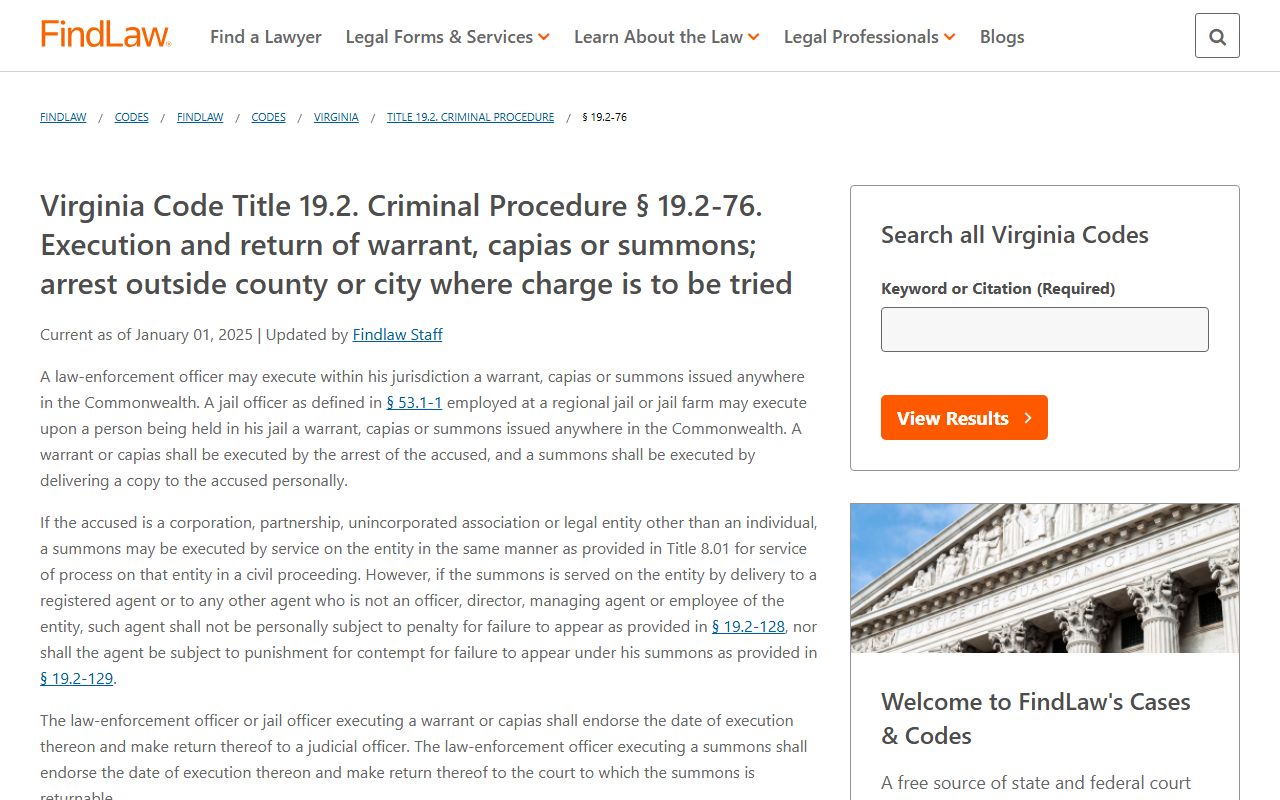
The statute is short but it sets the rules for every bench warrant and capias that Virginia officers serve.
How Long Virginia Bench Warrants Stay Active
Most bench warrants in Virginia have no set end date. An arrest warrant or capias stays on the books until police serve it or a judge recalls it. The one exception is for warrants that were never executed. VA Code § 19.2-76.1 requires the circuit court to order destruction of unexecuted felony or misdemeanor warrants after three years, unless someone files a petition to keep them alive. Search warrants have a much shorter life. Under VA Code § 19.2-56, a search warrant must be served within 15 days or it is void.
If a warrant has been served once and the case is open, there is no clock. The charge waits until the person comes before the court. That is why old bench warrants can surface at a traffic stop years later.
Here is a link to the destruction of unexecuted warrants code section.
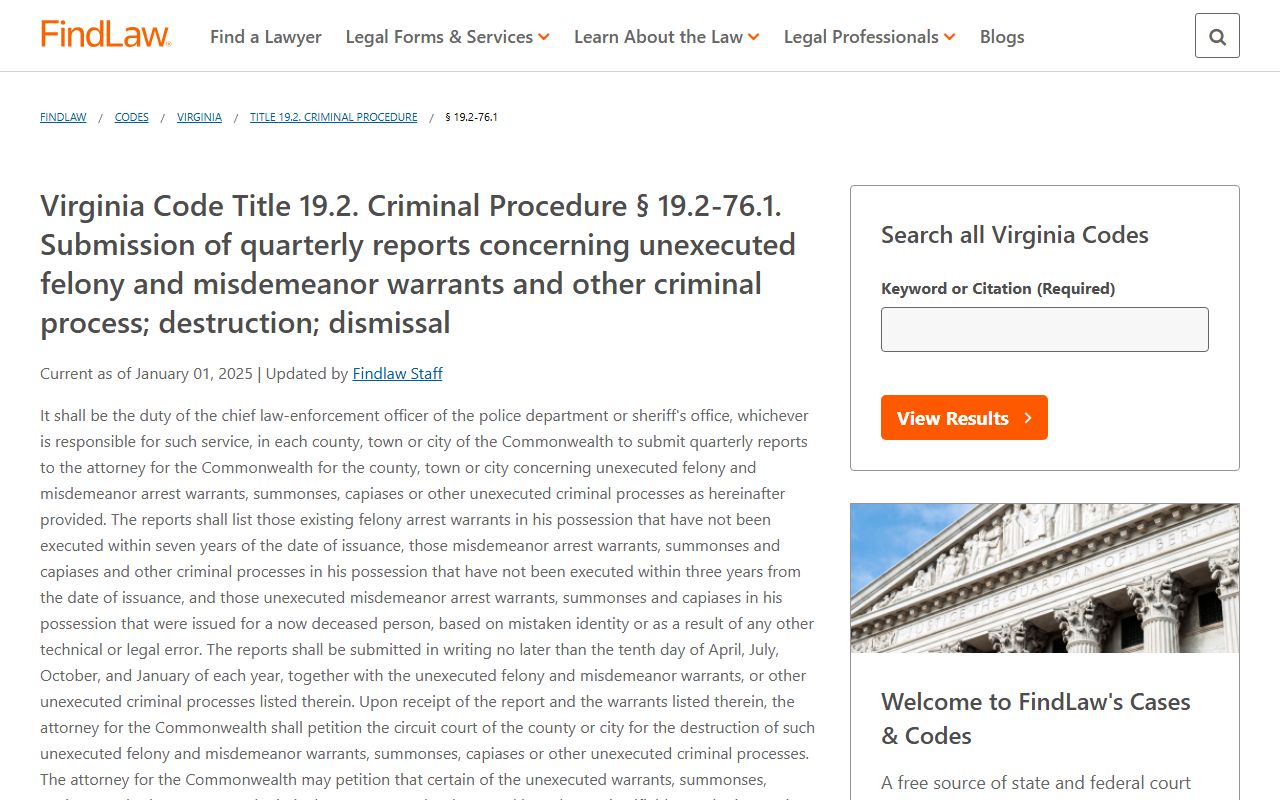
This is the rule that sets the three-year clock on dead-letter warrants in Virginia.
Virginia State Police Records
The Virginia State Police Central Criminal Records Exchange keeps a statewide file of criminal history. This file can show active warrants tied to a person. Under VA Code § 19.2-389, the State Police can release this data to the public through a Criminal History Records Check. You fill out form SP-167 and mail it in with the fee. A basic name search is $15. A combined search with the Sex Offender Registry is $20. The signature on the form must be notarized.
You can learn more about the Virginia State Police records process on the main agency site. The State Police accepts money orders, business checks, and major credit cards.
The Virginia Department of Corrections also posts a Most Wanted list. Visit the Virginia Department of Corrections site and click General Public, then Most Wanted. The page lists parole absconders and offenders who have broken probation. Each entry shows a photo, the charge, and the warrant status.
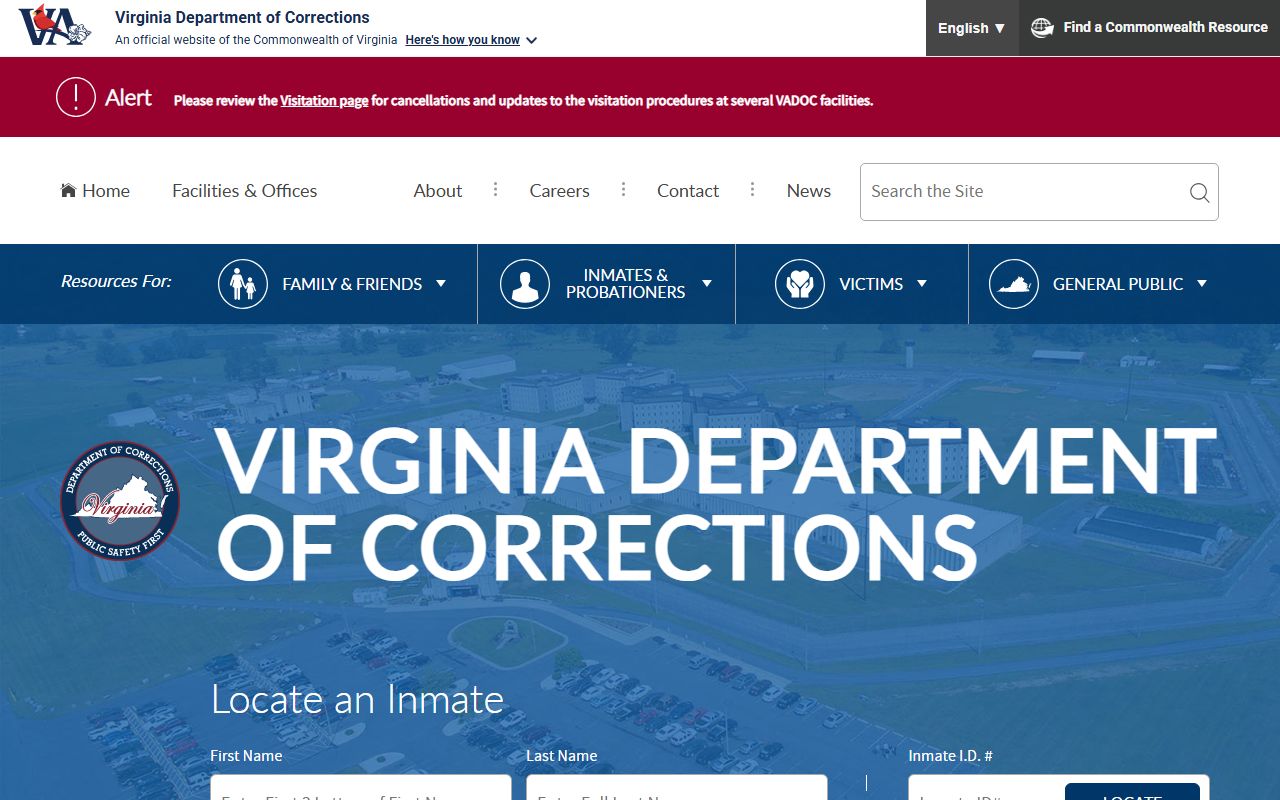
The VDOC list updates monthly and is a good way to check on warrants tied to state prison cases.
Note: You can only run a State Police name search on yourself or with the notarized consent of the person being searched.
Public Access and Virginia FOIA
The Virginia Freedom of Information Act opens most warrant records to the public. The law lives in VA Code § 2.2-3700 and the sections that follow it. Any citizen of the Commonwealth and any news reporter can ask a public body for records. Police reports, warrant lists, and court files are all on the table. A public body has five work days to respond. If the agency needs more time, it can ask for seven more. Fees are limited to the actual cost of pulling and copying the record.
Some items are off limits. Juvenile warrants are not public. Records that might harm an active case or reveal a confidential source can be held back or redacted. The law still favors access, and any exemption must be read in a narrow way.
For more on the request process, see the Virginia FOIA overview.
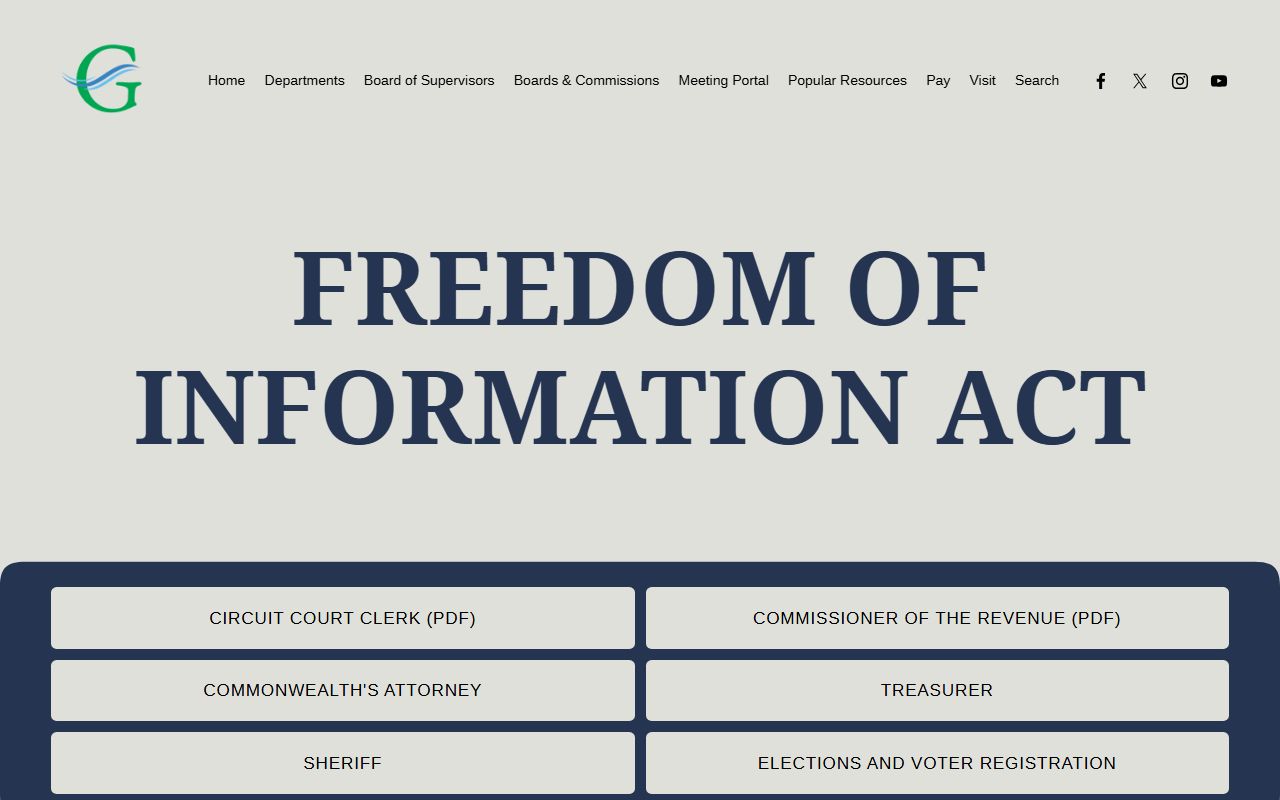
This page lays out the five-day rule and the short list of exemptions that apply to warrant files.
Virginia Court Structure and Bench Warrants
Virginia has four levels of courts. The Supreme Court sits at the top. The Court of Appeals comes next. Circuit Courts handle felonies and large civil cases. District Courts hear misdemeanors, traffic cases, and small civil matters. Magistrates sit below the District Courts and issue most arrest warrants based on probable cause. The Virginia Rules guide gives a clear overview of the court system.
Every city and every county in Virginia has a General District Court and a Juvenile and Domestic Relations District Court. Bench warrants can come from any of these courts. The Circuit Court is the trial court for felony cases, and judges there sign capias orders when a felony defendant fails to appear.
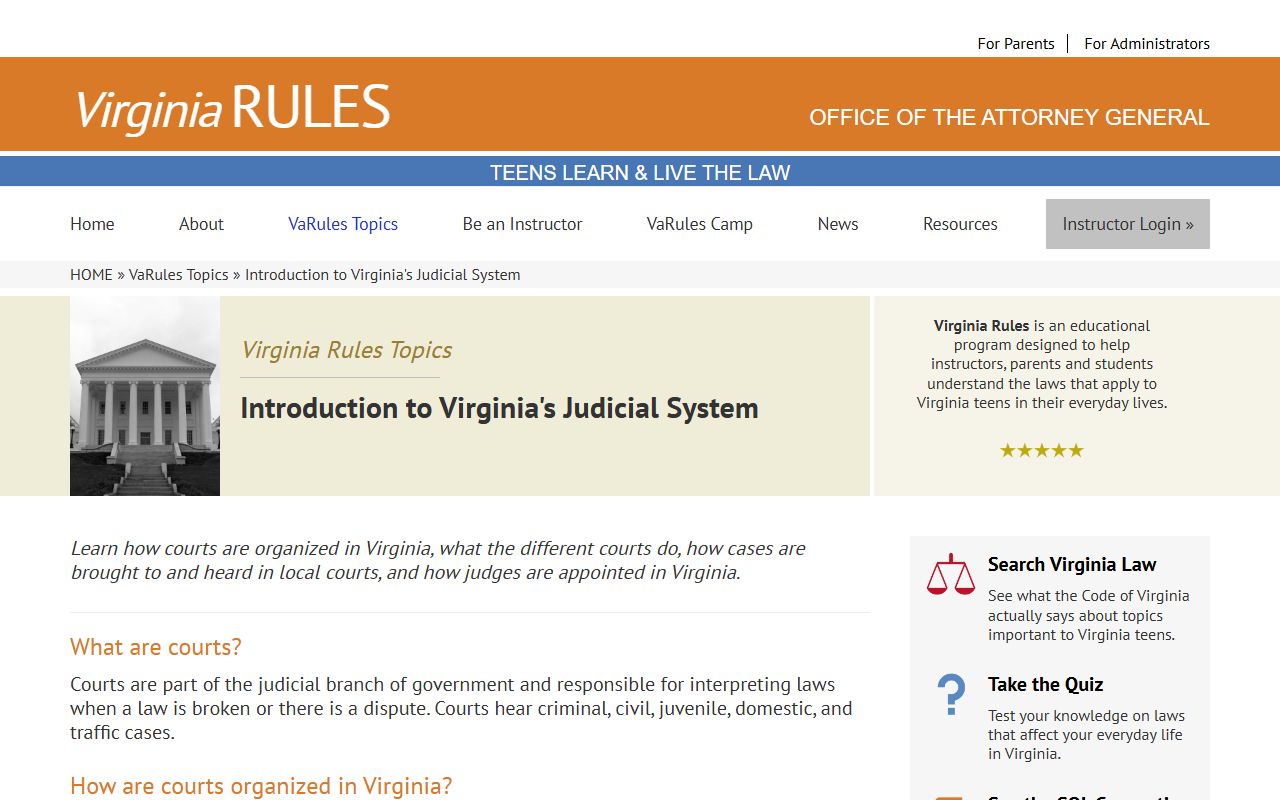
The court map shows how warrants move from magistrate to district court to circuit court across the state.
The Self-Help portal ties it all together. It helps self-represented people find the right court and the right form.
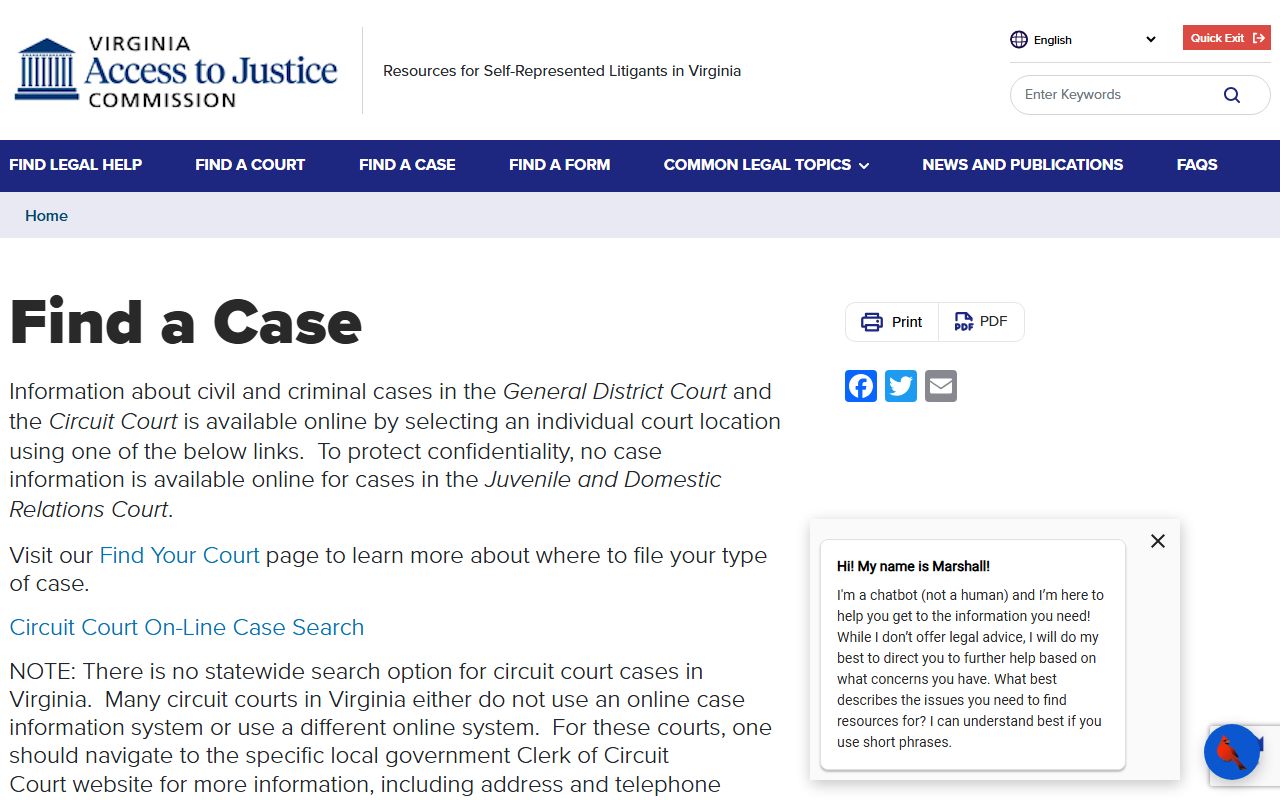
The find a case tool is the easiest way to pick a court when you only know the city or county name.
Clearing a Bench Warrant in Virginia
The best way to clear a Virginia bench warrant is to hire a lawyer and go back to court. A lawyer can file a motion to recall the warrant and set a new hearing. Some judges will recall a warrant at a short motion hearing. Others want the person to turn themselves in first. Much depends on the reason the warrant was issued and the judge who signed it.
If a person turns themselves in, the court will hold a bail hearing right away. The judge will decide whether to release the person on a new bond or hold them until trial. For low-level cases, release is common. For felony cases, the bond may be higher or the person may be held.
Note: Waiting for police to find you is the worst option, since a traffic stop in the middle of the night is not when you want to find out about an old warrant.
A warrant recall hearing gives a judge the chance to review the case and set new bond terms. The court looks at factors like how long the warrant has been active and whether you have a lawyer.
Browse Virginia Bench Warrants by County
Each of Virginia's 95 counties maintains its own bench warrant records through the local sheriff and court clerk. Pick a county below to find local contact info and warrant search links.
Bench Warrants in Major Virginia Cities
Virginia has 39 independent cities that handle their own bench warrants through city police and the local court. Pick a city below to find warrant info for that area.